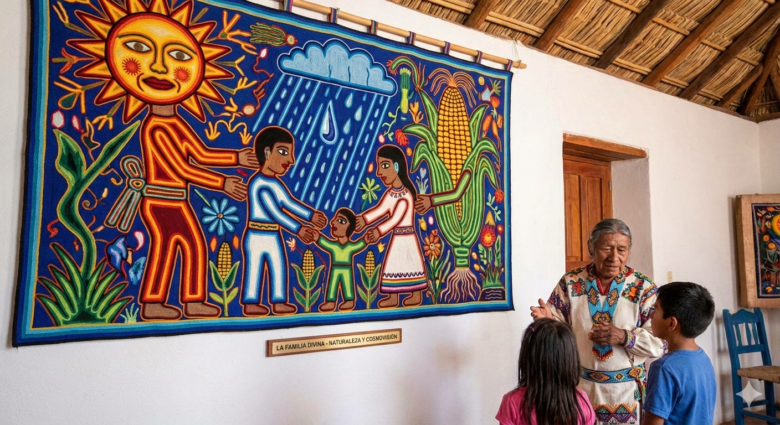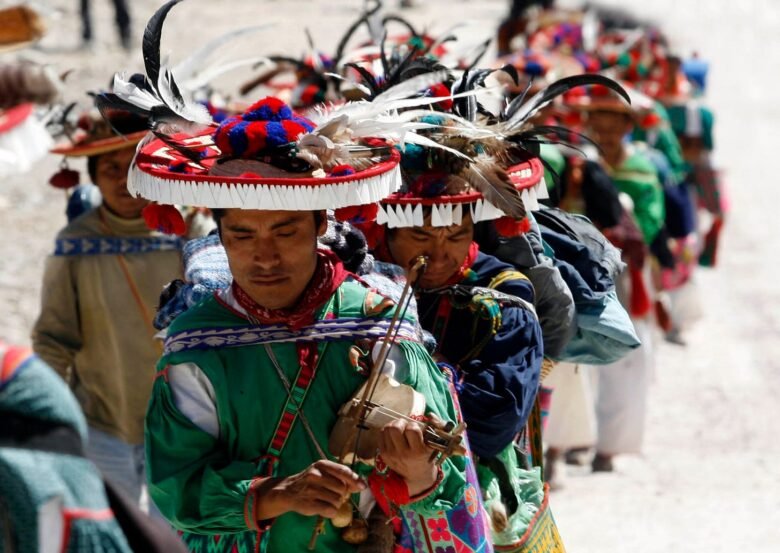
The Wixarika people, often known by the Spanish exonym “Huichol,” represent a living bridge to pre-Hispanic Mexico. While many ancient civilizations were transformed or assimilated after the Spanish conquest, the Wixaritari have fiercely guarded their unique identity, language, and spiritual practices for centuries. Their communities are primarily scattered across the remote, rugged terrain of the Sierra Madre Occidental, a geographical isolation that has been crucial to the preservation of their culture.
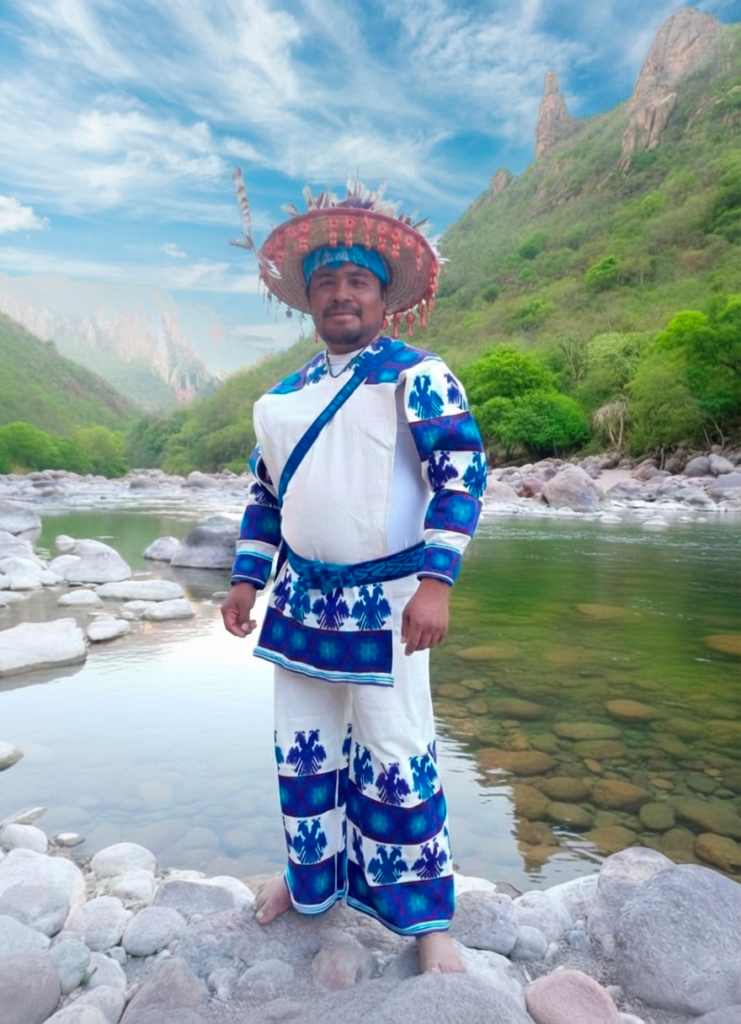
The term “Wixarika” itself is deeply significant. It can be translated as “the people of deep heart that loves knowledge,” a self-definition that speaks volumes about their core values. They are not just a group defined by blood or location, but by a shared commitment to spiritual understanding and heartfelt living. Their language, Wixarika, belongs to the Uto-Aztecan family, linking them linguistically to ancient Nahuatl-speaking cultures like the Aztecs, supporting anthropological theories of a shared ancestral branch.
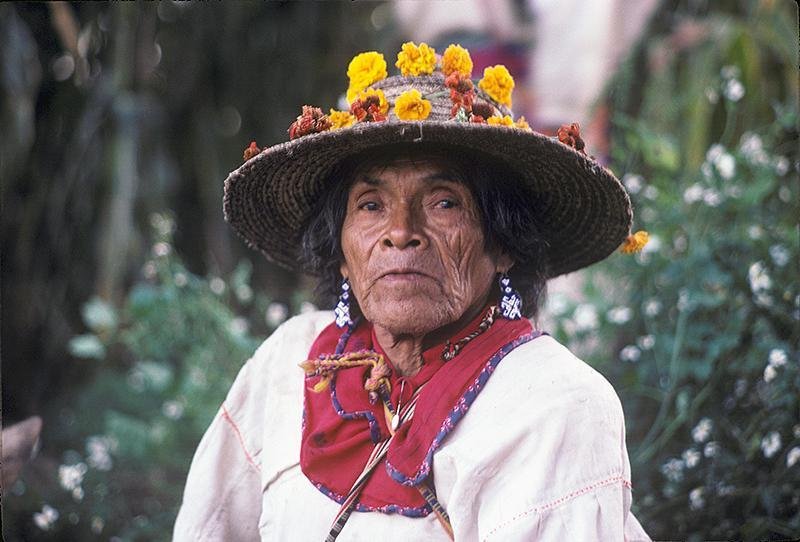
The Mexican government’s declaration of the Wixarika as “cultural heritage of humanity” is more than a title; it is a vital protective measure. It acknowledges that their survival is not just a matter of indigenous rights, but a benefit to all of humanity, offering an alternative perspective on life, community, and our relationship with the natural world. This status helps them legally defend their sacred lands, such as Wirikuta, from modern threats like mining and commercial exploitation.